Register | Log In

Cart Summary
Your Cart is Empty
View Cart
Search
 
 
Navigation
Hardware & Zippers
Binding & Grosgrain Ribbon
Buckle Hardware
Cleaners & Protectants
Cord & Cord Locks
Elastic
Hook Hardware
McNett Products
Repair Kits
Ribbon & Reflective Tape
Rings
Aquaseal® Urethane sealant
Freesole® Urethane Formula Shoe Repair
SilNet Silicone Seam Sealer
Seam Grip® Seam Sealer & Outdoor Repair
McNett Field Repair Kit
Seam Sure Seam Sealer
Tent Sure Tent Floor Sealant
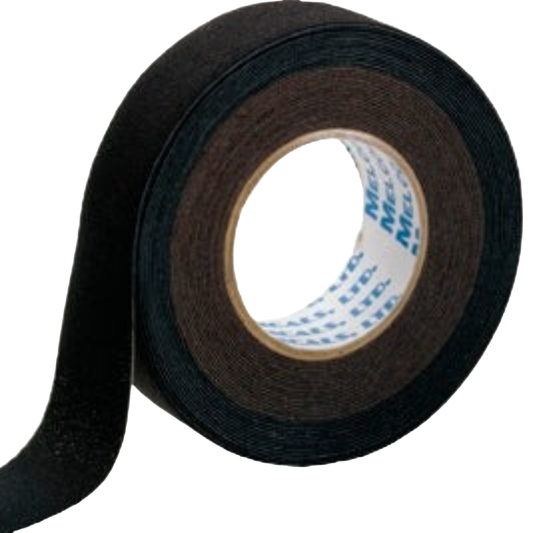
Melco Seam Tape - Black
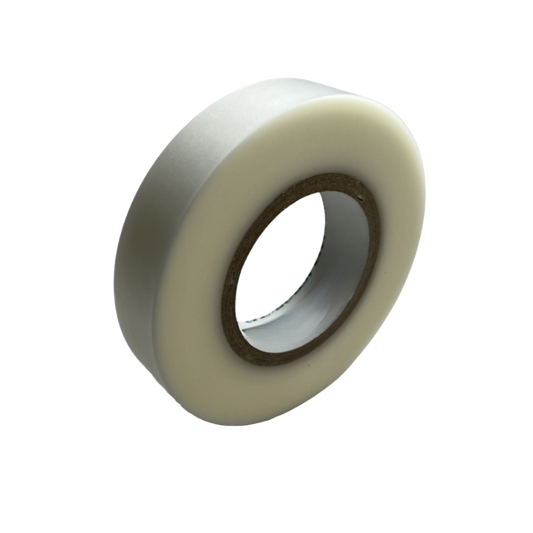
Bemis 2-layer Seam Tape ST604
Bemis Tape Specs
Bemis Seam Tape Sample Set
8 oz Seam Grip® Seam Sealer & Outdoor Repair
Seam Grip® Seam Sealer & Outdoor Repair Patch Tube
Sewing Thread
Velcro Tape Fasteners
Webbing
Other Hardware
Zippers
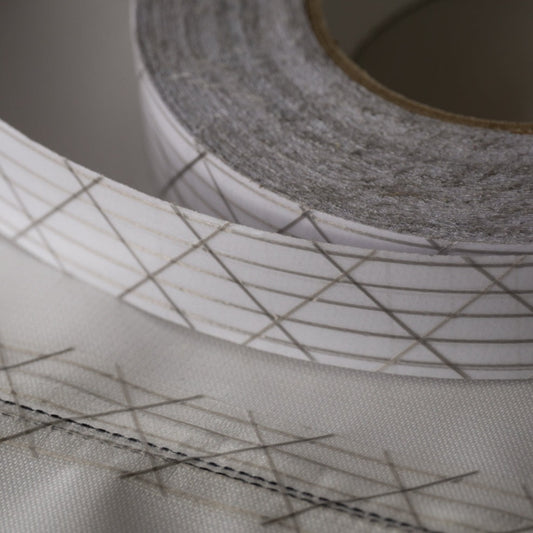
Seam Sealing with Seam Tape

Seam Sealing with Seam Tape


Seam tapes come in a variety of colors (white,
black, clear) and can be 2 or 3-layer, the 3-layer has a Nylon Tricot backing on 
one side and is used for 3-layer waterproof breathable fabrics like Gore-Tex and
Burlington XALT.  Tapes are generally 7/8 to 15/16" wide.


First, identify the adhesive side, which is
generally the side with the shinier sheen to it.  If you can't tell, place
a small piece between two scraps of fabric and press to see which side adheres.


You're going to want to apply seam tape
throughout your sewing process.  As you finish a seam, apply seam tape to
it.


A standard iron will get hot enough to melt
your tape (and your nylon fabric!)  Start with an iron setting around
synthetic and try a small sample.  You want the tape adhesive to melt in
about 5 seconds.  Adjust the iron setting gradually until it does. 
There will be a thin line of adhesive around the edge of the tape when it has
melted and adhered.


To make the job easier use a Teflon pressing
sheet or Teflon iron slipper, both of which ought to be available at your local
fabric store.  A padded sleeve ironing board also helps with the task,
especially sealing the curved areas like the neckline or armpits.


Straight seams are well, straight forward. 
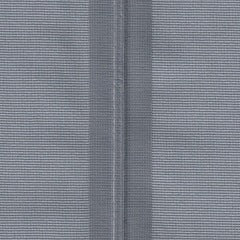
Place the tape adhesive side down on the wrong side of the seam, completely
covering the seam allowances.  If the seam allowance shows, go back and
trim the allowance so that the tape covers it entirely.


Anchor one end of the tape and then
press-and-lift across the rest of the seam.  Hold the seam tape down but
don't stretch the tape as you're holding it.  Once the tape has been
anchored along the length of the seam, go over it again.


If the tape doesn't appear to be sticking,
check to make sure you have the adhesive side facing the wrong side of the seam. 

Or try your sample piece again to make sure your iron is hot enough.


For curved pieces, layout the seam tape along
the wrong seam side and make short clips about halfway through the tape on the
inside edge of the curve.  Remember to cover the seam allowance entirely. 
The curved portion of your ironing board amy be handy in doing curved pieces. 
I'd practice on a scrap piece before sealing your garment.


Using the tip of the iron, spot tack the tape
to the outside of the curve, and then go back and seal the whole outside edge.


Go back and repeat for the inside curve and
then press the entire seam once more.  Make sure you the clipped edges
overlap so the entire seam is covered by seam tape.


If you accidentally stick the tape to the
waterproof breathable coating or laminate, don't pull it off.  Cut it off
and leave it.  Pulling off the tape may tear off the laminate.